
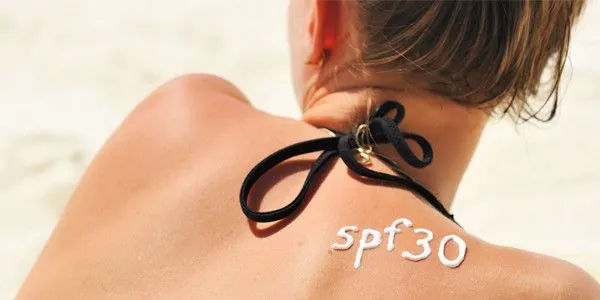
Everything you need to know about SPF
Which SPF product is right for my skin?
There are several ways to protect the skin against UV rays. The most general rules are wearing covering clothing, a wide-brimmed hat and avoiding the sun between 12 noon and 3 pm. However, these measures are not enough to prevent sun damage. Using a cream with SPF is essential to counter the direct effects of sun exposure (redness, swelling, blisters) and the indirect effects (tanning, dryness, wrinkles).
What is SPF?
SPF stands for Sun Protection Factor and is a protection factor that shields the skin against harmful UV rays. SPF indicates how long you can stay in the sun protected by sunscreen before sunburn occurs. How long you can stay in the sun without burning depends not only on applying a cream with SPF (and the amount you apply), but also on your skin type, the position of the sun and so on.
PRO TIP! Protection 50 Sport SPF50 offers broad-spectrum sun protection and is suitable for both the body and the face. The formula doesn't feel greasy and absorbs quickly, perfect for a day at the beach because.. prevention is better than cure!
What types of SPF are there?
Sunscreens contain varying amounts of SPF. This makes it possible to choose the level of protection yourself. It's important to know that an SPF only protects against UVB rays, not against UVA rays! That means an SPF does protect against burning, but offers no protection against skin ageing! Read more here about the difference between UVA and UVB rays.
What is the difference between SPF factor 30 and 50?
Contrary to what is often thought, there is no big difference between sunscreens with an SPF above factor 15. To illustrate: SPF15 offers 93.3% protection, SPF30 offers 96.6% protection, SPF50 offers 98% protection. 100% protection does not exist!
Did you know, by the way, that: the term ‘sunblock’ may no longer be used? The FDA (Food and Drug Administration) recently banned it, because the term gives the impression that it's possible to block UV rays completely, whereas 100% protection against UV rays does not exist.
What is the difference between a chemical and a physical filter in sunscreen and similar products?
UV filters can be divided into chemical (absorbing) and physical (reflecting) filters. Products with chemical filters are absorbed by the skin: they sink into the skin. Products with a physical filter stay on top of the skin, so that they reflect UV rays. Because they don't sink into the skin, the risk of skin irritation is smaller and they are mainly suitable for people with (very) sensitive skin.
PRO TIP! Invisible Physical Defense SPF30 offers physical broad-spectrum SPF protection and leaves no white cast which makes it suitable for all skin tones.
Can you add SPF values together? Is factor 20 + 30 = factor 50?
Combining products with different SPF values might seem clever, but it doesn't make you better protected against UV rays. SPF20 + SPF30 = SPF30, not SPF50!
Sunscreen without harmful substances, fragrance and alcohol
To create a spreadable cream, emulsifiers are needed (substances that can bind to one another). Emulsifiers reduce the effectiveness of an SPF, which means more filters are needed for a higher SPF. However: the more filters, the greater the risk of skin irritation. Thanks to Oleosome technology, the SPF can be increased without having to use more filters. The technology works with the power of Oleosomes; these are hollow plant seeds. Because they are hollow, active ingredients can be placed inside them and they work perfectly as a ‘carrier’ for UV filters. This reduces the risk of skin irritation and allows the SPF to keep working for longer. This technology can be found in Dermalogica’s sun protection products.
PRO TIP! When you use a moisturizer without SPF, you can mix it with Solar Defense Booster SPF50 to add the necessary UV protection to your daily moisturizer.